Owning a car doesn’t mean you have to be a mechanic, but understanding basic vehicle maintenance can save you money, improve safety, and help your car last longer. Many breakdowns happen because of simple maintenance items that were overlooked, such as worn tires, low fluids, or a weak battery.
Whether you drive every day or only occasionally, following a regular maintenance routine helps prevent unexpected repairs and keeps your vehicle performing at its best.
Here are five vehicle maintenance tips every driver should know.
1. Inspect and Maintain Your Tires
Your tires are the only part of your vehicle that touches the road, making them one of the most important safety components. Regular tire maintenance improves handling, fuel economy, and braking performance while extending tire life.
Check Tire Pressure Monthly
Underinflated or overinflated tires wear unevenly and can reduce fuel efficiency.
Most passenger vehicles recommend 30 to 35 PSI, but always check the pressure listed on the sticker inside your driver’s door or in your owner’s manual.
Rotate Your Tires Regularly
Front and rear tires wear at different rates. Rotating them every 5,000 to 7,500 miles helps promote even tread wear and extends their lifespan.
Perform a Quick Visual Inspection
Every few weeks, or after hitting a pothole or curb, look for:
- Uneven tread wear
- Cracks in the sidewall
- Bulges
- Nails or other embedded objects
- Low tread depth
If something looks unusual, have your tires inspected before the problem becomes more serious.
2. Change Your Engine Oil on Schedule
Oil lubricates your engine’s moving parts, reduces friction, and helps control engine temperature. Skipping oil changes can lead to excessive wear and expensive engine damage.
How often you need an oil change depends on your vehicle, driving habits, and the type of oil used.
As a general guideline:
- Conventional oil: every 3,000 to 5,000 miles
- Synthetic blend: every 5,000 to 7,500 miles
- Full synthetic: up to 7,500 to 10,000 miles (follow manufacturer recommendations)
If you’re unsure, consult your owner’s manual or let a trusted technician inspect your oil during routine service.
Tip: Don’t wait until the oil warning light comes on. Preventive maintenance is always less expensive than engine repairs.
3. Check Your Vehicle’s Fluids
Your vehicle relies on several fluids to operate safely and efficiently. Low or contaminated fluids can cause premature wear and even major mechanical failures.
Engine Oil
Check monthly and before long trips.
Brake Fluid
Brake fluid transfers force from the brake pedal to the braking system. Low or contaminated brake fluid can reduce stopping power.
Have it inspected during routine maintenance.
Transmission Fluid
Transmission fluid keeps internal components lubricated and cool.
Many modern vehicles don’t require frequent transmission fluid changes, but periodic inspections are still important.
Engine Coolant
Coolant prevents your engine from overheating and protects against freezing.
Inspect coolant levels twice a year and replace it according to your manufacturer’s maintenance schedule.
Power Steering and Windshield Washer Fluid
While often overlooked, both contribute to safe driving and should be topped off as needed.
4. Monitor Your Car Battery
A failing battery often gives warning signs before it completely dies. Catching these early can prevent getting stranded.
Watch for symptoms like:
- Slow engine cranking
- Dim headlights
- Electrical accessories acting erratically
- Dashboard battery warning light
- Difficulty starting the vehicle
You can also inspect the battery for:
- Corrosion around the terminals
- Loose connections
- Swollen or cracked battery case
Most car batteries last 3 to 5 years, depending on climate and driving habits.
If your battery is approaching that age, have it professionally tested during your next service visit.
5. Schedule Annual Vehicle Inspections
Even if your car seems to be running perfectly, annual inspections help identify small problems before they become expensive repairs.
A professional vehicle inspection may include checking:
- Brakes
- Suspension
- Steering components
- Tires
- Battery
- Belts and hoses
- Fluid condition
- Engine performance
- Heating and air conditioning
- Lights and safety equipment
Many states also require periodic safety or emissions inspections to keep vehicles legally on the road.
Routine inspections improve reliability, increase vehicle lifespan, and help you avoid unexpected breakdowns.
Bonus Tip: Don’t Ignore Warning Lights
Modern vehicles constantly monitor their own systems. If a warning light appears, it’s your vehicle telling you something needs attention.
Common warning lights include:
- Check Engine Light
- Battery Warning Light
- Oil Pressure Warning
- Brake System Warning
- Temperature Warning
Ignoring these lights can turn a minor repair into a major one. Having your vehicle diagnosed early often saves both time and money.
A Simple Maintenance Schedule
| Maintenance Item | Recommended Interval |
| Tire pressure | Monthly |
| Tire rotation | Every 5,000 to 7,500 miles |
| Oil change | Every 3,000 to 10,000 miles (depending on oil type and vehicle) |
| Brake fluid inspection | During routine service |
| Coolant inspection | Twice per year |
| Battery test | Annually or after 3 years |
| Comprehensive inspection | Once per year |
Keep Your Vehicle Running Its Best
Consistent maintenance is one of the smartest investments you can make as a vehicle owner. Regular inspections, fluid checks, tire care, and oil changes help prevent costly repairs while improving safety and reliability.
If your vehicle is due for maintenance or you’ve noticed unusual noises, warning lights, or changes in performance, don’t wait until the problem gets worse.
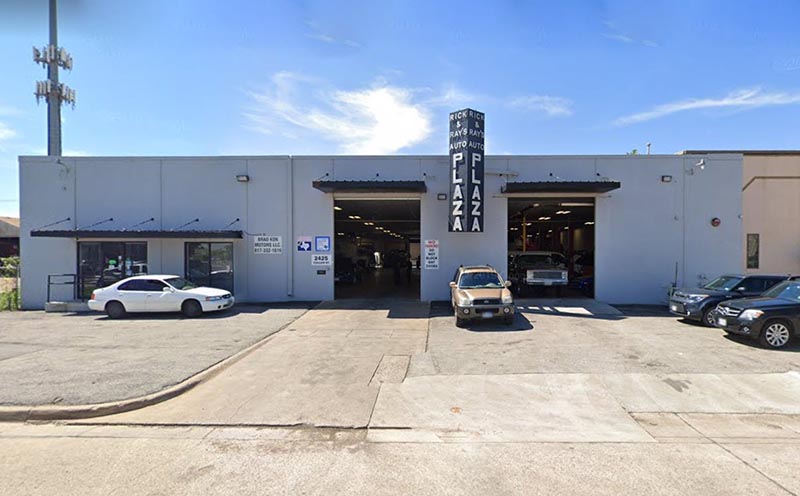
Rick & Ray’s Auto Plaza provides professional maintenance and auto repair services in Fort Worth, including oil changes, tire services, brake repairs, battery testing, cooling system service, diagnostics, and complete vehicle inspections. Our ASE-certified technicians help keep your vehicle safe, reliable, and ready for the road.
Schedule your appointment today and let our team help you stay ahead of costly repairs.