Every time you get behind the wheel, you’re sharing the road with drivers who have different levels of experience, attention, and judgment. While some crashes are unavoidable, the vast majority happen because of preventable human errors.
According to the National Highway Traffic Safety Administration (NHTSA), human error contributes to the overwhelming majority of traffic accidents. Understanding the most common causes of collisions can help you become a safer driver and reduce your chances of being involved in an accident.
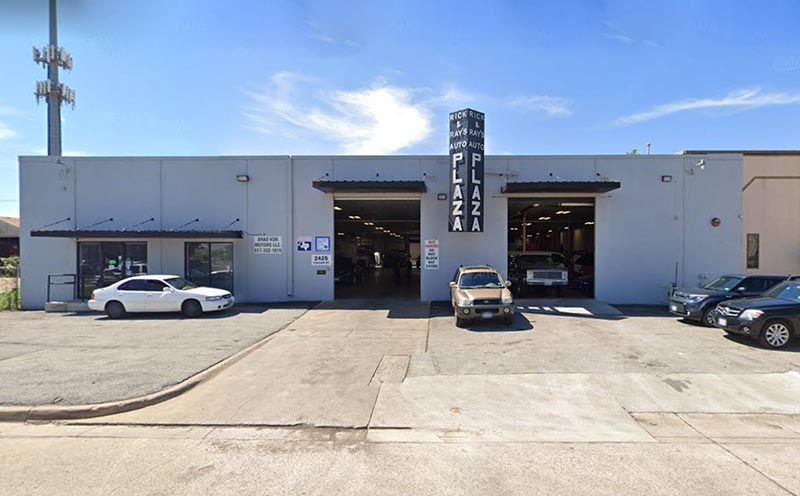
At Rick & Ray’s Auto Plaza, we’ve repaired thousands of collision-damaged vehicles throughout Fort Worth. Here are the leading causes of car accidents and what you can do to avoid them.
1. Speeding
Speeding continues to be one of the leading causes of serious car accidents in the United States.
Driving above the speed limit reduces the amount of time you have to react to changing traffic conditions while increasing the distance your vehicle needs to stop. Even a small increase in speed can dramatically increase the force of impact during a collision.
Speeding often contributes to:
- Rear-end collisions
- Loss of vehicle control
- Rollover accidents
- Intersection crashes
- Fatal accidents
How to Prevent Speed-Related Accidents
- Leave earlier so you don’t feel rushed.
- Follow posted speed limits.
- Slow down in construction zones and school zones.
- Reduce your speed during rain, fog, or heavy traffic.
2. Distracted Driving
Distracted driving has become one of today’s biggest road safety concerns.
Anything that takes your eyes, hands, or attention away from driving increases your crash risk. Even looking at your phone for just a few seconds can mean traveling hundreds of feet without watching the road.
Common distractions include:
- Texting
- Checking GPS directions
- Eating or drinking
- Adjusting the radio
- Talking with passengers
- Using mobile apps
- Grooming while driving
Stay Focused Behind the Wheel
- Put your phone on Do Not Disturb mode.
- Set your GPS before leaving.
- Finish eating before driving.
- Pull over safely if something requires your attention.
3. Drowsy Driving
Driving while tired can be just as dangerous as driving under the influence.
Fatigue slows reaction time, reduces awareness, and makes it easier to miss hazards. In severe cases, drivers may fall asleep for several seconds without realizing it.
Common causes of drowsy driving include:
- Long work shifts
- Overnight travel
- Sleep disorders
- Certain medications
- Alcohol consumption
- Lack of sleep
Tips to Avoid Fatigue
- Get at least 7 to 8 hours of sleep before long trips.
- Take breaks every two hours.
- Share driving responsibilities on road trips.
- Never ignore signs that you’re becoming sleepy.
4. Driving Under the Influence
Alcohol and drugs significantly impair your ability to drive safely.
Driving under the influence affects:
- Reaction time
- Judgment
- Coordination
- Vision
- Decision-making
- Concentration
Even small amounts of alcohol or certain prescription medications can affect driving ability.
Safe Alternatives
- Designate a sober driver.
- Use a rideshare service.
- Call a taxi.
- Stay where you are until you’re safe to drive.
5. Aggressive Driving and Road Rage
Aggressive driving is another major contributor to collisions.
Drivers who become angry are more likely to:
- Tailgate
- Speed
- Weave through traffic
- Ignore traffic signals
- Make unsafe lane changes
- Brake suddenly
Road rage can quickly escalate a minor traffic situation into a dangerous crash.
Keep Your Cool
- Leave plenty of travel time.
- Avoid responding to aggressive drivers.
- Give other vehicles space.
- Focus on arriving safely rather than quickly.
6. Poor Weather Conditions
Weather contributes to hundreds of thousands of crashes every year.
Rain, fog, ice, snow, and strong winds all reduce visibility and vehicle traction, making it harder to stop or maneuver safely.
Hazardous weather conditions include:
- Heavy rain
- Dense fog
- Ice
- Snow
- Flooding
- High winds
- Sun glare
Drive Safely in Bad Weather
- Reduce your speed.
- Increase following distance.
- Turn on your headlights when visibility is poor.
- Avoid standing water that may hide road damage.
- Watch for malfunctioning traffic signals after storms.
- Keep both hands on the wheel during high winds, especially on bridges and overpasses.
Other Common Causes of Car Accidents
While the factors above account for many crashes, other common causes include:
- Running red lights or stop signs
- Failure to yield the right of way
- Following too closely
- Unsafe lane changes
- Inexperienced drivers
- Mechanical failures caused by poor vehicle maintenance
- Tire blowouts
- Brake failure
Keeping your vehicle properly maintained can help reduce the risk of accidents caused by mechanical issues.
What Should You Do After a Collision?
Even a low-speed accident can cause hidden damage to your vehicle’s frame, suspension, alignment, or safety systems.
After a collision:
- Check for injuries and call 911 if necessary.
- Move to a safe location if possible.
- Exchange insurance information.
- Document the scene with photos.
- Have your vehicle professionally inspected before continuing to drive it.
Prompt repairs help restore your vehicle’s structural integrity and ensure safety systems perform correctly in future accidents.
Trust Rick & Ray’s Auto Plaza for Collision Repair in Fort Worth
Whether you’ve been involved in a minor fender bender or a major collision, Rick & Ray’s Auto Plaza provides professional auto body repair and collision services to get your vehicle back on the road safely.
Our experienced technicians use quality parts, precise repair techniques, and thorough inspections to restore your vehicle’s appearance, safety, and performance.
If you’ve recently been in an accident, we’re here to help.
Contact Rick & Ray’s Auto Plaza today for a collision repair estimate or schedule an appointment.