If you own a BMW, Mercedes-Benz, Audi, Porsche, or Volkswagen, your oil change is not the same as a standard vehicle. German engines are engineered for performance, precision, and tight tolerances. That means they require specific oil types, intervals, and service procedures.
Many drivers attempt DIY oil changes to save money. With German vehicles, that decision can cost you thousands if done incorrectly.
Here is what every German car owner in Fort Worth should know.
How Often Should You Change the Oil in a German Car?
The old 3,000-mile rule no longer applies, especially for European vehicles.
Most modern German cars use full synthetic oil and advanced oil monitoring systems. Typical oil change intervals range from:
- 7,500 to 10,000 miles
- Once per year
- Based on your vehicle’s onboard service indicator
However, there is no universal schedule. Oil change frequency depends on:
1. Manufacturer Specifications
Your owner’s manual will list the correct oil grade and service interval. German manufacturers often require oils that meet specific approvals, such as:
- BMW Longlife-01 or Longlife-17
- Mercedes-Benz 229.5 or 229.51
- VW 502.00 or 504.00
Using oil that does not meet these certifications can void warranties and damage internal components.
2. Driving Conditions
Frequent short trips, stop-and-go traffic, extreme heat, and aggressive driving shorten oil life. Fort Worth’s summer temperatures can accelerate oil breakdown, especially in turbocharged engines.
3. Engine Type
Turbocharged engines, common in BMW, Audi, and Mercedes models, run hotter and place greater stress on oil. These engines may require more frequent oil changes than naturally aspirated engines.
4. Oil Quality
German vehicles almost always require full synthetic oil. Synthetic oil resists breakdown, reduces sludge buildup, and performs better under high temperatures.
If you are unsure, it is safer to change your oil slightly early rather than too late.
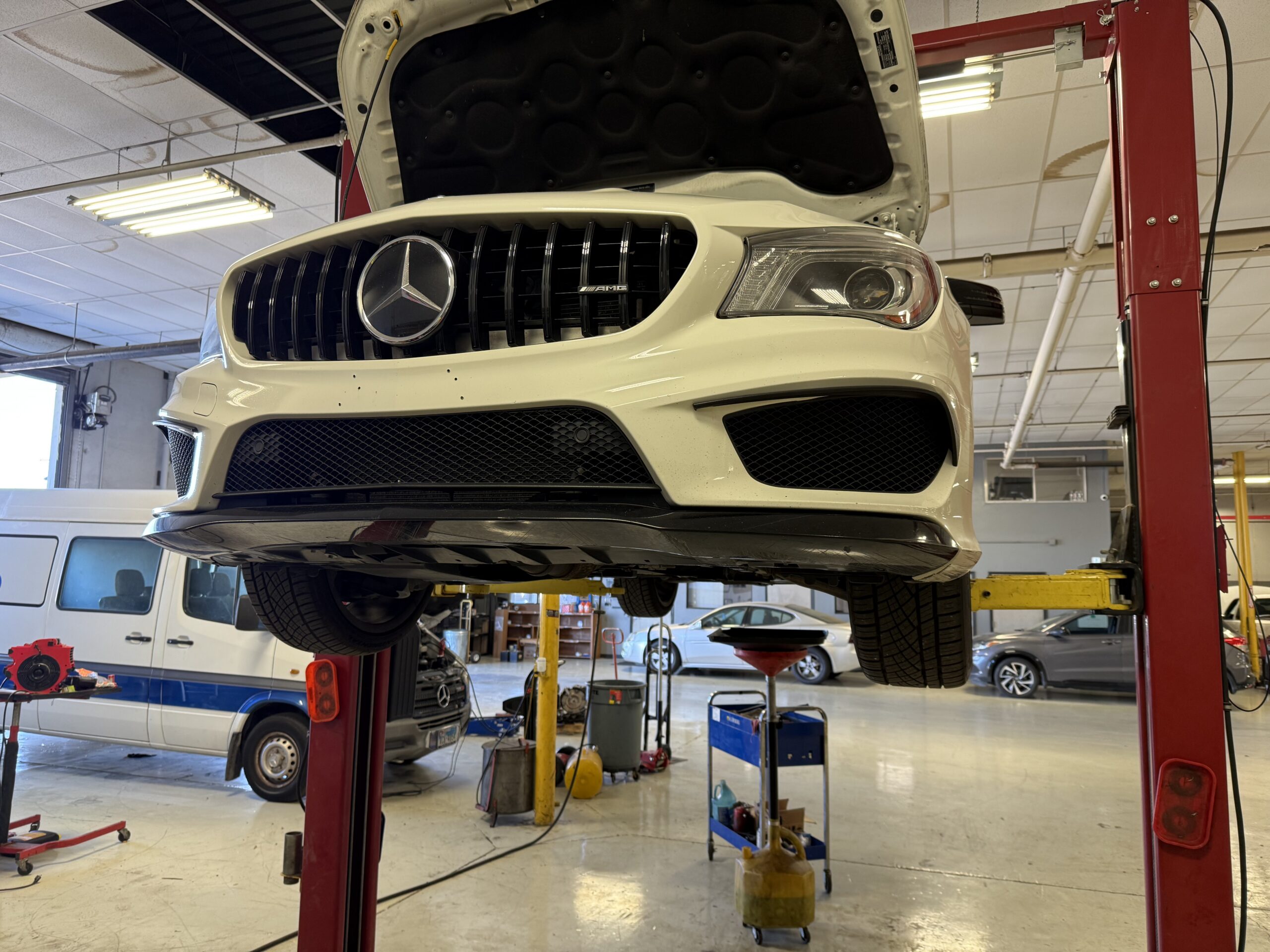
What Type of Oil Do German Cars Require?
German engines are built with tight internal tolerances. Using the wrong oil viscosity or formula can cause serious issues.
Conventional vs. Synthetic Oil
Most German vehicles require full synthetic oil. Conventional oil does not provide the heat resistance or stability that European engines demand.
Correct Viscosity Matters
Common oil grades for German vehicles include:
- 0W-40
- 5W-40
- 5W-30 European Formula
Always verify the exact specification in your owner’s manual.
Why European Formula Oil Is Different
European oils contain specialized additive packages designed for:
- Higher engine temperatures
- Extended service intervals
- Turbocharger protection
- Reduced sludge formation
Using generic oil that does not meet European specifications can lead to premature engine wear.
What Happens If You Use the Wrong Oil in a German Car?
Using incorrect oil or overfilling can lead to major mechanical damage.
Here are potential consequences:
- Slow engine startup
- Engine misfires
- Oil leaks
- Reduced fuel efficiency
- Damaged turbocharger
- Sludge buildup
- Shortened engine lifespan
- Engine failure
- Fire risk in severe cases
German vehicles rely on proper oil pressure and lubrication. When oil viscosity or formulation is wrong, it affects timing components, variable valve timing systems, and turbochargers.
One mistake can trigger a chain reaction of costly repairs.
Why Oil Changes Are Critical for BMW, Mercedes, and Audi Vehicles
Motor oil is often called the lifeblood of your engine for a reason. It performs several essential functions:
- Lubricates moving engine parts
- Reduces friction and wear
- Cool internal components
- Cleans contaminants
- Prevents corrosion
In high-performance German engines, these roles are even more critical.
Delaying an oil change can cause:
- Sludge buildup
- Timing chain damage
- Oil consumption problems
- Overheating
- Catastrophic engine failure
Routine oil service is one of the most affordable ways to protect a luxury vehicle that may have cost six figures.
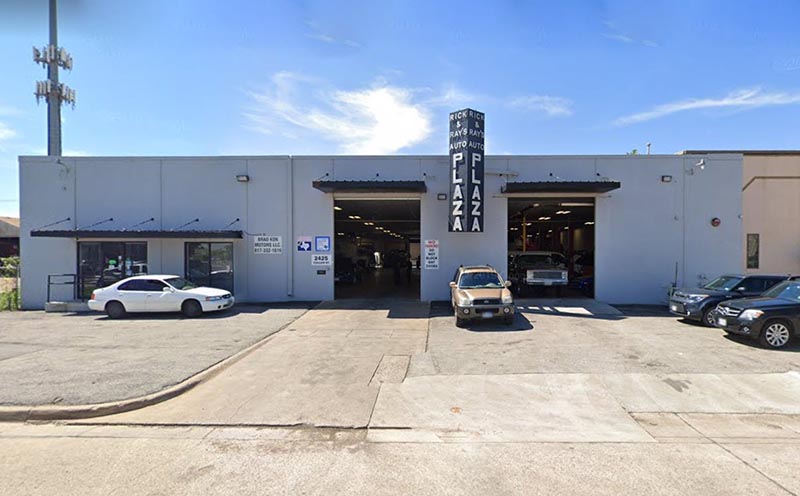
Should You DIY an Oil Change on a German Car?
Modern German vehicles are not designed for simple driveway oil changes.
Many models require:
- Specialized oil filters
- Underbody panel removal
- Electronic service reset tools
- Specific torque specifications
- Proper disposal procedures
Improper installation of the oil filter housing or drain plug can cause leaks. Failing to reset the service indicator may lead to inaccurate maintenance tracking.
More importantly, a trained German auto specialist can inspect for early warning signs during service, such as:
- Oil seepage
- Valve cover gasket leaks
- Oil cooler issues
- Timing cover leaks
These are common in aging BMW and Mercedes models.
An oil change appointment is also a preventative inspection.
Why Choose a German Auto Specialist in Fort Worth?
Not all mechanics understand European vehicles.
A specialized German auto repair shop will:
- Use manufacturer-approved synthetic oil
- Follow factory torque specs
- Reset electronic service systems properly
- Inspect common German vehicle problem areas
- Protect your warranty
Rick and Ray’s Auto Plaza has been servicing German vehicles in Fort Worth for over 25 years. Our technicians are experienced with:
- BMW oil changes
- Mercedes-Benz oil service
- Audi oil changes
- Porsche maintenance
- Volkswagen oil service
We understand the engineering behind European vehicles and service them accordingly.
Signs Your German Car Needs an Oil Change
Even if you are unsure about mileage, watch for these warning signs:
- Oil change or service light illuminated
- Engine running louder than normal
- Burning oil smell
- Dark, dirty oil on dipstick
- Decreased fuel efficiency
Ignoring these symptoms can escalate into major engine damage.
German Car Oil Change Cost vs. Engine Repair Cost
Some owners hesitate because German car oil changes can cost more than domestic vehicles. That is true.
However, compare that to:
- Turbocharger replacement
- Timing chain repair
- Engine rebuild
- Oil sludge remediation
Preventative maintenance is far less expensive than major repairs.
German Oil Change Services in Fort Worth, TX
If you own a BMW, Mercedes, Audi, Porsche, or Volkswagen in Fort Worth, your vehicle deserves expert care.
Rick and Ray’s Auto Plaza provides:
- Manufacturer-approved synthetic oil
- Full oil filter replacement
- Multi-point inspection
- Fluid level checks
- Service system reset
- Honest recommendations
For more than two decades, we have helped German car owners protect their investment and drive with confidence. Your German vehicle was engineered for precision performance. Make sure it receives precision maintenance. Call us to schedule your oil change today!