Your car talks to you. Not in words, but in sounds. Banging, pinging, squeaking, screeching. These noises are ways your vehicle tries to tell you something’s wrong. Sometimes it’s minor, like underinflated tires. Other times, it’s a major issue, like failing brakes or a damaged suspension system.
Ignoring strange sounds can lead to serious (and expensive) problems down the road. Here’s your comprehensive guide to common car noises, what causes them, and what action you should take before they become bigger headaches.
Why You Should Never Ignore Car Noises
Not every strange sound means immediate danger, but if it’s new, persistent, or worsening, it’s worth investigating. What starts as a minor rattle can escalate into a major repair bill.
By learning what these sounds mean, you’ll not only protect your car but also stay safer on the road.
1. Tire Noises
Your tires are in constant contact with the road, so when something sounds off, they’re a good place to start.
Squealing While Turning
Likely cause: Underinflated tires
– When your tires don’t have enough air, they can squeal during turns due to increased friction. Check your tire pressure and inflate them to the manufacturer’s recommendation.
Why it matters:
– Driving on underinflated tires wears them out faster and puts stress on your suspension system, reducing handling and fuel efficiency.
Humming That Gets Louder Over Time
Likely cause: Uneven tire tread or bad wheel bearings
– A little humming is normal. But if it grows louder, especially at higher speeds, it could mean uneven wear caused by misaligned wheels or worn suspension components.
What to do:
– Schedule a tire rotation and wheel alignment. If the issue continues, have the wheel bearings inspected.
Thudding or Slapping Sounds
Likely cause: Severely underinflated tires, tread separation, or alignment issues
– This one’s serious. These sounds may signal a pending blowout or major suspension trouble.
Take immediate action:
– Pull over and inspect your tires. If they look fine but the sound persists, head to a mechanic as soon as possible.
2. Brake Noises
Your braking system is one of the most critical safety features of your vehicle. It should be silent during normal operation. If you hear any of the following, don’t wait.
Squeaking or Squealing
Likely cause: Worn brake pads
– Brake pads are designed to squeal when it’s time for replacement. This is a built-in warning mechanism. Take it seriously.
Grinding
Likely cause: Metal-on-metal contact
– This means your brake pads are completely worn down, and the metal caliper is grinding against the rotor.
Result:
– Extensive damage that can cost significantly more than a standard brake job. Replace the pads immediately to avoid system-wide damage.
Rattling When Braking
Likely cause: Loose or defective brake components
– If the rattling happens only when you press the brake pedal, it could be a problem with the pad clips or calipers.
Get it checked:
– A full brake inspection will identify the issue and help restore safe stopping power.
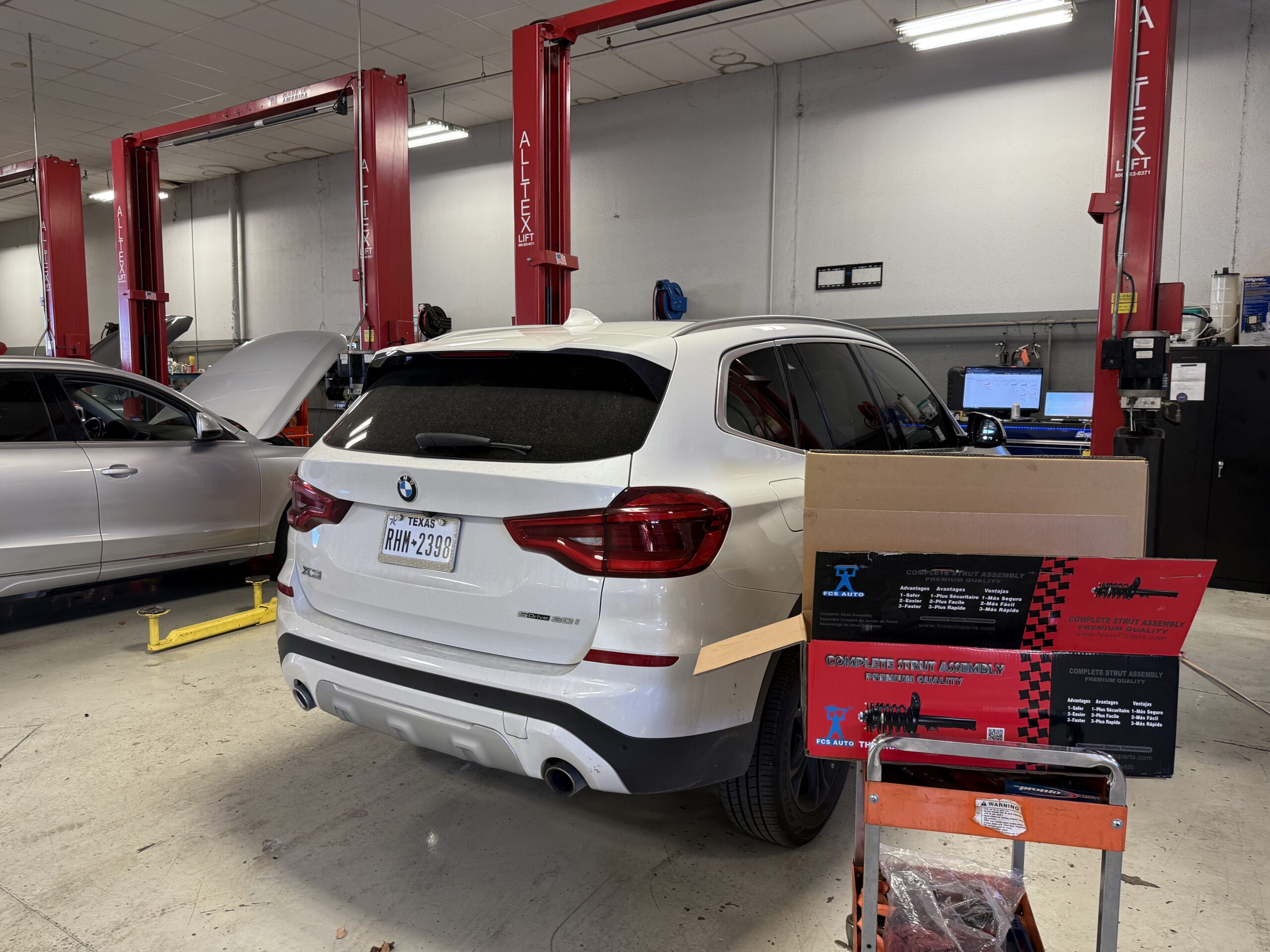
3. Suspension Noises
If your ride suddenly feels bumpier, or you hear knocking, clunking, or creaking over potholes or speed bumps, your suspension could be to blame.
Common Causes:
- Worn shocks or struts
- Damaged ball joints
- Broken control arms or bushings
Why this matters:
– Suspension problems affect steering, tire wear, and handling. Left untreated, they can compromise your safety and result in costly repairs.
Pro tip:
– Have your suspension inspected once a year, especially if you regularly drive on rough or uneven roads.
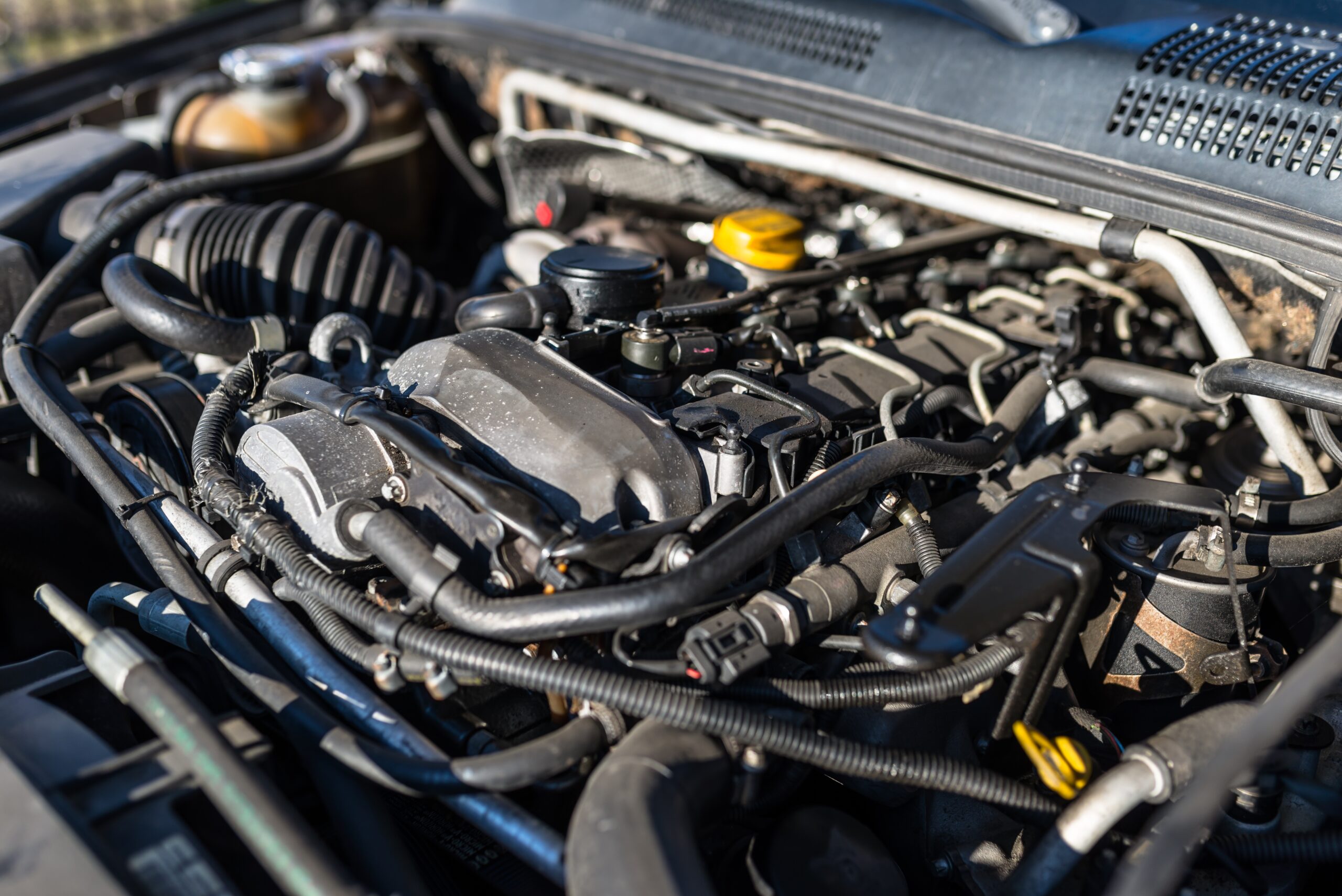
4. Engine Noises
Strange engine noises are usually a sign of trouble. They often point to wear, damage, or malfunction.
Pinging or Knocking
Likely cause:
– Problems with engine timing, carbon buildup, or incorrect fuel grade.
Result:
– Reduced performance and potential long-term damage if ignored.
Popping or Hissing
Likely cause: Exhaust leaks, vacuum issues, or overheating
What to do:
– Open the hood and look for steam, smoke, or fluid leaks. Even if nothing is obvious, schedule a diagnostic inspection to be safe.
Grinding or Whirring
Likely cause: Internal engine failure or damaged belts
– These sounds indicate serious issues that should not be ignored.
What to do:
– Avoid driving and have the vehicle towed to a professional shop for inspection.
5. Dashboard Warning Lights and Sounds
Sometimes, unusual noises are accompanied by a Check Engine light. If this happens, don’t rely on guesswork.
Many auto parts stores offer free diagnostic scans. For the most accurate results, bring your vehicle to a qualified mechanic who can interpret the error codes and make targeted repairs.
What to Do if You Hear a Strange Noise
- Don’t ignore it. If it’s new, frequent, or gets worse, schedule an inspection.
- Note when it happens. Identifying whether the noise occurs during braking, accelerating, or turning can help with diagnosis.
- Document it. Use your phone to record the sound or jot down the conditions when it appears. This will help your mechanic find the issue faster.
- Seek professional help. DIY fixes often miss underlying problems. A certified mechanic can perform a full diagnostic and make the necessary repairs.
Car noises are your vehicle’s way of saying something’s wrong. Paying attention early means avoiding major issues and keeping your vehicle reliable and safe.
Bring Your Car to Rick and Ray’s Auto Plaza
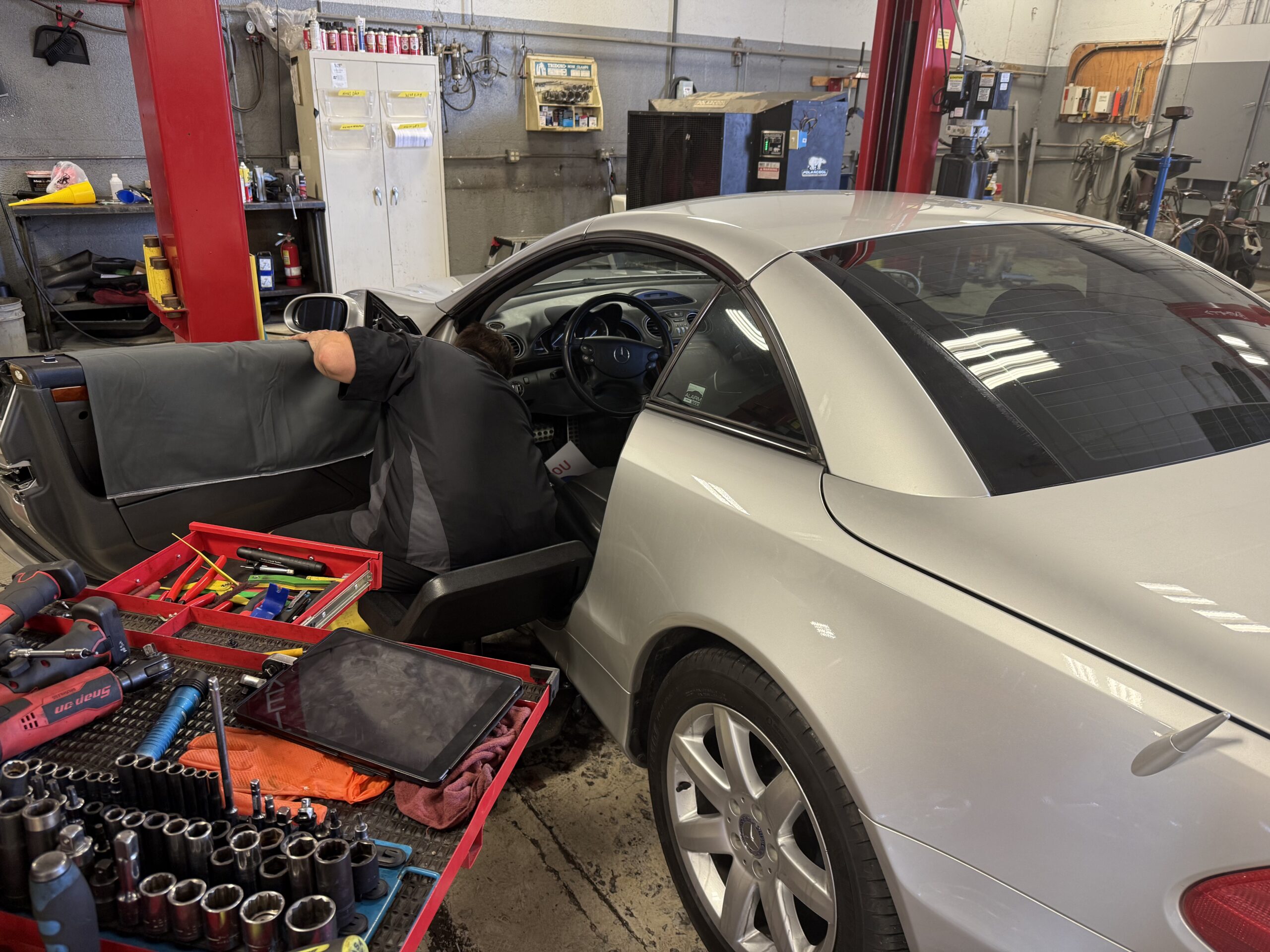
At Rick & Ray’s Auto Plaza, our ASE-certified technicians can quickly identify and fix any strange noise coming from your vehicle. Whether you’re dealing with brake problems, tire issues, suspension noise, or something more serious under the hood, we’ve got the tools and expertise to get you back on the road. Call us today or stop by our Fort Worth location to schedule your appointment. Don’t let strange car noises turn into expensive repairs.