When a BMW stutters under acceleration, it is your car telling you something is wrong. Hesitation, bucking, or a sudden lack of power when you press the gas is not normal BMW behavior and often signals the need for professional BMW repair. These vehicles are engineered for smooth, controlled performance. When that performance breaks down, the cause is almost always tied to fuel delivery, ignition timing, airflow, or electronic controls.
At Rick & Ray’s Auto Plaza, BMW repair in Fort Worth, TX, for acceleration issues is one of the most common services we provide. Drivers often come in after searching for answers because they want to understand the exact cause before committing to repairs. This guide walks through the most common reasons BMWs hesitate during acceleration and explains how each issue is properly diagnosed.
What BMW Acceleration Stuttering Typically Feels Like
BMW drivers seeking BMW service often report similar symptoms, even though the underlying cause may differ:
- Hesitation when pulling away from a stoplight
- Bucking or jerking during highway acceleration
- Sluggish throttle response when merging
- Loss of power while climbing hills
- Rough acceleration that smooths out at steady speeds
These symptoms usually worsen under load, meaning when the engine is working harder. That detail helps narrow down the cause.
Ignition Coil Failure and Worn Spark Plugs
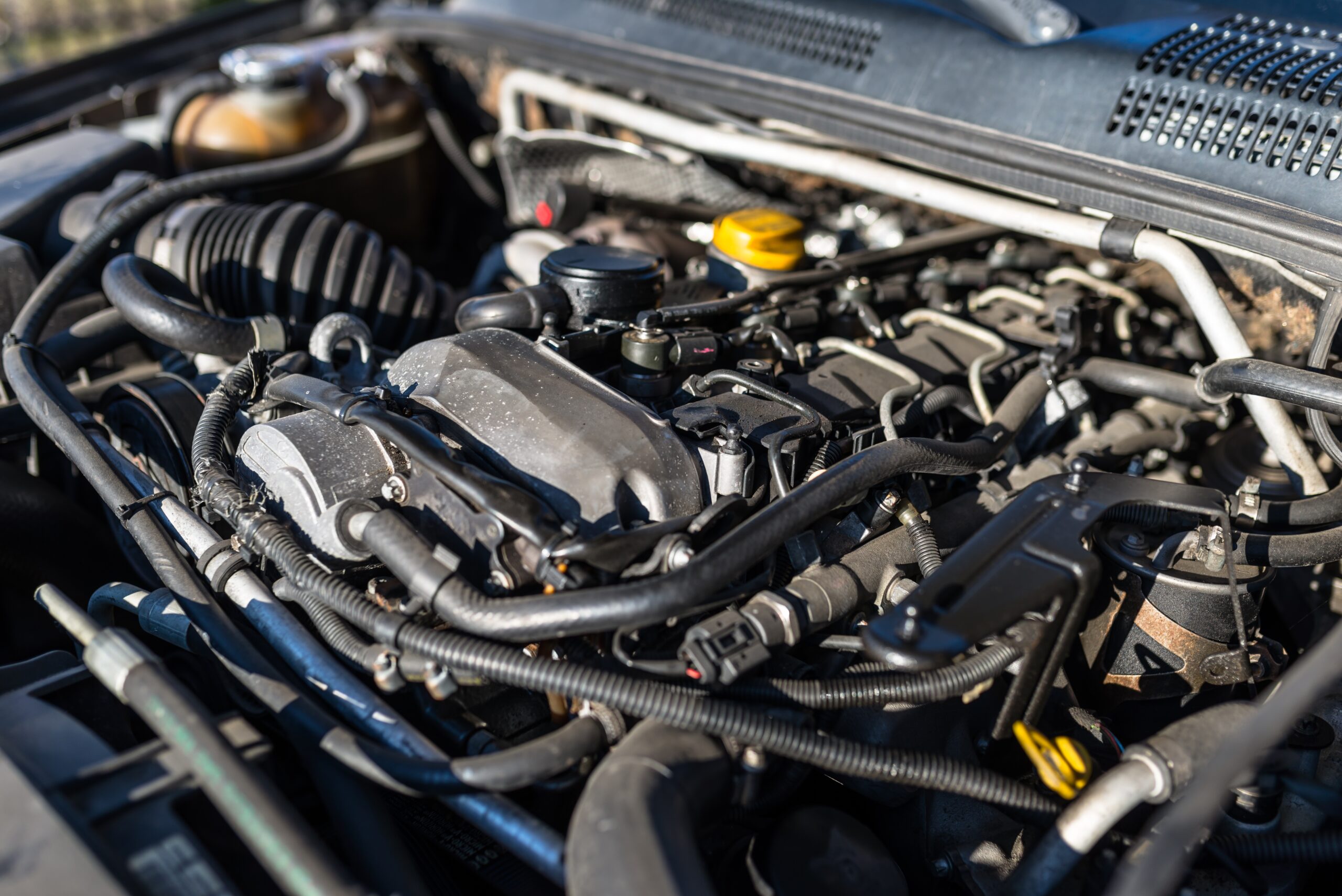
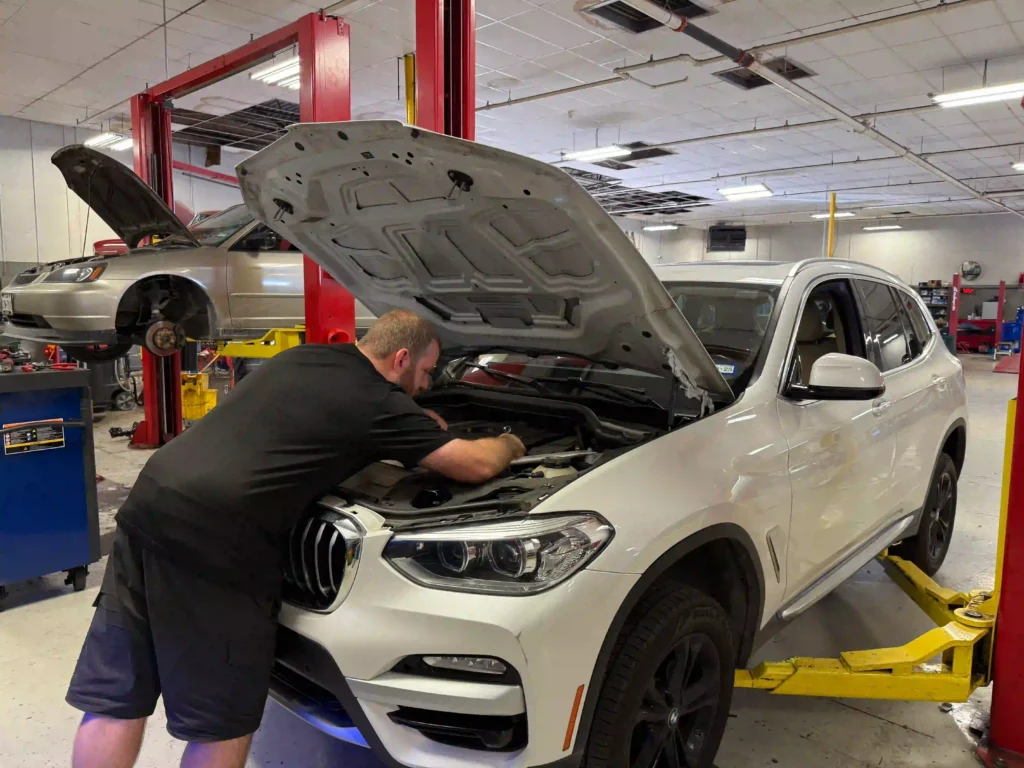
BMW ignition systems are extremely precise. Each cylinder relies on a coil and spark plug to fire at the exact moment needed for smooth combustion. When a coil weakens or a spark plug wears out, the cylinder misfires, especially during acceleration when more power is required. This is a frequent issue seen during BMW auto repair inspections.
Common warning signs
- Stuttering or shaking when accelerating
- Rough idle paired with hesitation
- Flashing or steady check engine light
- Reduced fuel efficiency
How it is diagnosed
A diagnostic scan identifies misfire codes tied to specific cylinders. Technicians also physically inspect spark plugs for wear and test ignition coils for inconsistent voltage output. BMWs often fail coils individually, not all at once, which is why accurate BMW repair testing matters.
Ignoring ignition misfires can damage catalytic converters, turning a relatively small repair into a major expense.
High-Pressure Fuel Pump or Fuel Injector Issues
BMW engines demand precise fuel pressure during acceleration. A failing high-pressure fuel pump or restricted injector cannot deliver enough fuel under load. The result is hesitation, surging, or momentary power loss.
Common warning signs
- Stuttering during acceleration, but smooth idle
- Hard starts or extended cranking
- Engine hesitation at highway speeds
- Drop in fuel economy
How it is diagnosed
Technicians test fuel pressure while the engine is under load, not just at idle. Injector performance is evaluated using balance testing and fuel trim data. BMW fuel systems are sensitive, so even slight pressure drops can cause noticeable hesitation.
Fuel delivery problems should never be ignored. Running lean places extreme stress on internal engine components.
Dirty or Failing Mass Air Flow Sensor
The mass air flow sensor measures how much air enters the engine so the computer can adjust fuel delivery. When the sensor becomes contaminated or starts to fail, the air-to-fuel ratio becomes incorrect. That imbalance causes hesitation during acceleration.
Common warning signs
- Delayed throttle response
- Stuttering during light acceleration
- Rough idle combined with hesitation
- Check engine light related to airflow or mixture
How it is diagnosed
Live airflow data is compared against factory specifications. Technicians may inspect the sensor for oil or debris contamination. Cleaning may restore function in mild cases, but failing sensors often require replacement to restore proper performance.
Vacuum Leaks and Intake System Failures
BMW engines rely on sealed intake systems. Cracked vacuum hoses, brittle plastic fittings, or leaking intake boots allow unmetered air into the engine. This throws off the fuel mixture, especially during acceleration.
Common warning signs
- Hesitation at lower RPMs
- Rough idle paired with stalling
- Hissing or whistling noises from the engine bay
- Lean condition fault codes
How it is diagnosed
Smoke testing is the most reliable method to locate vacuum leaks. Many BMW intake components degrade with age and heat, and small leaks are often invisible during a basic inspection.
Unaddressed vacuum leaks can cause long-term engine damage and poor drivability.
Throttle Body or Accelerator Pedal Sensor Problems
Modern BMWs use electronic throttle control instead of traditional throttle cables. When throttle body motors or pedal position sensors fail, the engine does not respond correctly to driver input.
Common warning signs
- Delay between pressing the gas and acceleration
- Sudden loss of throttle response
- Drivetrain or throttle warning messages
- Inconsistent acceleration behavior
How it is diagnosed
Technicians analyze throttle input and response data while performing calibration tests. BMW-specific diagnostic tools are required to properly test electronic throttle systems and reset adaptations if needed.
Transmission or Torque Converter Shudder
Not all stuttering comes from the engine. Transmission slip or torque converter shudder can mimic engine hesitation, especially during acceleration from low speeds.
Common warning signs
- Shuddering during gear changes
- RPM fluctuations without matching acceleration
- Hesitation only at specific speeds or gears
How it is diagnosed
A controlled road test combined with live transmission data helps determine whether the issue is drivetrain-related rather than engine-related. This distinction is critical before replacing engine components unnecessarily.
Why BMW Acceleration Problems Should Be Addressed Early
BMW hesitation issues rarely resolve on their own. Continued driving with misfires, fuel pressure issues, or incorrect air-to-fuel ratios can lead to:
- Catalytic converter failure
- Increased fuel consumption
- Reduced engine longevity
- Unexpected breakdowns
Accurate diagnosis early on almost always reduces total repair costs.
Why BMW Drivers Choose Rick & Ray’s Auto Plaza
BMW vehicles require experience, precision, and the right diagnostic equipment. At Rick & Ray’s Auto Plaza, our technicians specialize in BMW auto repair and focus on identifying the actual cause of the problem instead of replacing parts based on guesswork.
Local BMW drivers trust our team for clear explanations, honest recommendations, and repairs that restore smooth, reliable performance.
Schedule BMW Repair in Fort Worth, TX Today
If your BMW stutters, hesitates, or bucks under acceleration, do not wait for the issue to worsen. A professional diagnostic inspection can pinpoint the exact cause and help prevent costly repairs down the road.
Contact Rick & Ray’s Auto Plaza today to schedule your BMW diagnostic service. We will get your vehicle back to the smooth, confident acceleration it was built for.