If your BMW overheating warning light comes on or you’re seeing a high engine temperature message, taking immediate action can help prevent catastrophic engine damage. At Rick and Ray’s Auto Plaza, we regularly diagnose BMW overheating issues on models like the 3 Series, X5, and F30. During the hot Texas summers, cooling system problems become even more common as extreme temperatures place added stress on critical components.
Here’s what every BMW owner should know about overheating symptoms, common causes, and the steps to take when your engine starts running hot.
Warning Signs Your BMW Is Running Too Hot
Most overheating problems don’t happen without warning. In many cases, your BMW will give you several signs that something isn’t right before temperatures reach a dangerous level.
Your Temperature Gauge Is Higher Than Normal
One of the first indicators is a temperature gauge that’s creeping above its usual position.
Even if the gauge hasn’t reached the red zone yet, a noticeable increase in operating temperature deserves attention. BMW engines are designed to maintain a fairly consistent temperature, so any significant change could point to a developing cooling system issue.
You’re Seeing an Engine Temperature Warning
Many BMW models will display a warning message such as:
“Engine Temperature Too High. Drive Moderately.”
This isn’t a warning you should ignore.
The vehicle may still be drivable for the moment, but the cooling system is no longer functioning properly. Continuing to drive can quickly turn a relatively straightforward repair into a much more expensive problem.
Steam Is Coming From Under the Hood
Steam is usually a sign that coolant is escaping from the system and boiling due to excessive heat.
If you notice steam coming from the engine compartment, pull over safely and shut the vehicle off as soon as possible. Continuing to drive can cause temperatures to rise even further.
You Notice a Sweet or Burning Smell
Coolant often has a distinct sweet smell. If coolant is leaking onto hot engine components, you may notice that odor inside or outside the vehicle.
In other cases, overheating can create a burning smell that resembles hot plastic, rubber, or electrical components. Either way, unusual odors combined with rising temperatures should never be ignored.
The Vehicle Feels Different to Drive
When temperatures get too high, BMW’s engine management system may reduce power to help protect the engine.
Drivers often describe the vehicle as sluggish, slow to accelerate, or less responsive than usual. If performance suddenly changes along with a temperature warning, overheating may be the cause.
The Cooling Fan Runs Constantly
It’s normal for the cooling fan to operate after the engine is shut off, especially during hot weather.
However, if the fan seems to run at full speed frequently or stays on longer than usual, it may be working overtime to compensate for another cooling system problem.
Common Causes of BMW Overheating
BMW cooling systems rely on multiple components working together. When one fails, engine temperatures can rise quickly.
Coolant Leak or Low Coolant Level
Coolant leaks are one of the most common causes of BMW overheating. Leaks can occur from:
- Radiator hoses
- Expansion tanks
- Water pumps
- Radiators
- Heater hoses
Even a small leak can eventually lower coolant levels enough to cause overheating.
Failed Electric Water Pump
Many BMW models equipped with N52, N54, and N55 engines use electric water pumps rather than traditional belt-driven pumps.
These pumps commonly fail between 60,000 and 100,000 miles. When the pump stops circulating coolant, engine temperatures can spike rapidly with little warning.
At our Fort Worth shop, failed electric water pumps are among the most frequent BMW overheating repairs we perform.
Thermostat Failure
The thermostat regulates coolant flow through the engine. If it becomes stuck closed, coolant cannot circulate properly, causing heat to build up inside the engine.
Radiator Damage or Blockage
A damaged or clogged radiator cannot effectively dissipate heat. Dirt, debris, corrosion, and internal blockages can all reduce cooling efficiency.
Faulty Cooling Fan
Your cooling fan plays an important role when driving at low speeds or sitting in traffic. If the fan motor, relay, or control module fails, overheating can occur quickly.
Head Gasket Failure
A blown head gasket is one of the most serious overheating-related problems. Symptoms often include:
- White exhaust smoke
- Coolant loss
- Milky engine oil
- Persistent overheating
If left untreated, head gasket failure can lead to complete engine damage.
What To Do Immediately When Your BMW Overheats
Knowing how to respond can make the difference between a minor repair and a major engine rebuild.
Step 1: Turn Off the Air Conditioning
Switch off the A/C immediately. If necessary, turn on the heater to help pull heat away from the engine.
Step 2: Pull Over Safely
Do not continue driving if your BMW is overheating. Find a safe location, pull over, and shut off the engine as soon as possible.
Step 3: Wait Before Opening the Hood
Allow the engine to cool for at least 15 to 20 minutes. Opening the hood immediately can expose you to extremely hot steam and pressurized coolant.
Step 4: Never Remove the Coolant Cap While Hot
This is one of the most dangerous mistakes drivers make. The cooling system remains pressurized when hot. Removing the cap can cause boiling coolant to spray out and cause severe burns.
Step 5: Check Coolant Levels Once Cooled
After the engine has cooled completely, inspect the coolant reservoir.
If coolant is low and you have BMW-approved coolant available, add coolant according to manufacturer specifications.
Step 6: Call a Repair Shop
If the overheating warning returns, have the vehicle inspected before driving further.
Repeated overheating can quickly lead to expensive engine damage.
How to Prevent BMW Overheating Problems
While some component failures happen unexpectedly, many overheating issues can be caught early through routine maintenance.
Regular cooling system inspections can help identify worn hoses, small leaks, aging expansion tanks, and other problems before they leave you stranded.
It’s also a good idea to monitor coolant levels periodically and pay attention to any warning lights, unusual smells, or changes in engine temperature.
For many BMW vehicles, replacing aging water pumps and thermostats before they fail can help avoid unexpected breakdowns and costly repairs.
Frequently Asked Questions
How much does it cost to fix a BMW overheating problem?
Costs vary depending on the cause. Minor coolant leaks may cost a few hundred dollars, while water pump replacement can range from $1,000 to $2,000. Engine damage can exceed $5,000.
Why does my BMW engine temperature go up and then come back down?
This may indicate an intermittent thermostat issue, a failing water pump, trapped air in the cooling system, or a cooling fan problem.
Is BMW overheating covered under warranty?
It may be covered if the vehicle remains under the manufacturer’s warranty or an applicable extended warranty plan. Coverage depends on the specific component that failed.
BMW Overheating Repair in Fort Worth
If your BMW is running hot, displaying an overheating warning light, or showing an “Engine Temperature Too High” message, don’t wait until minor issues become major repairs.
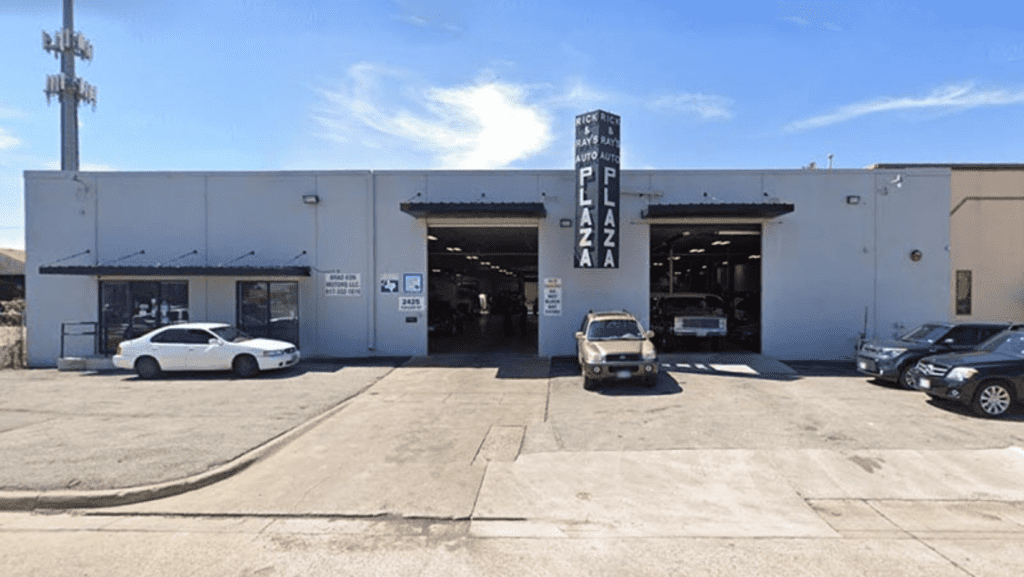
At Rick and Ray’s Auto Plaza, our ASE-certified technicians diagnose and repair BMW cooling system problems every day. We’ve helped drivers throughout Fort Worth and the DFW area resolve issues involving water pumps, thermostats, cooling fans, radiators, coolant leaks, and other overheating concerns.
Whether you drive a BMW X5, F30, 3 Series, or another BMW model, our team can identify the cause of the problem and recommend the right repair before serious engine damage occurs.
Schedule your BMW cooling system inspection today or learn more about our BMW repair services.