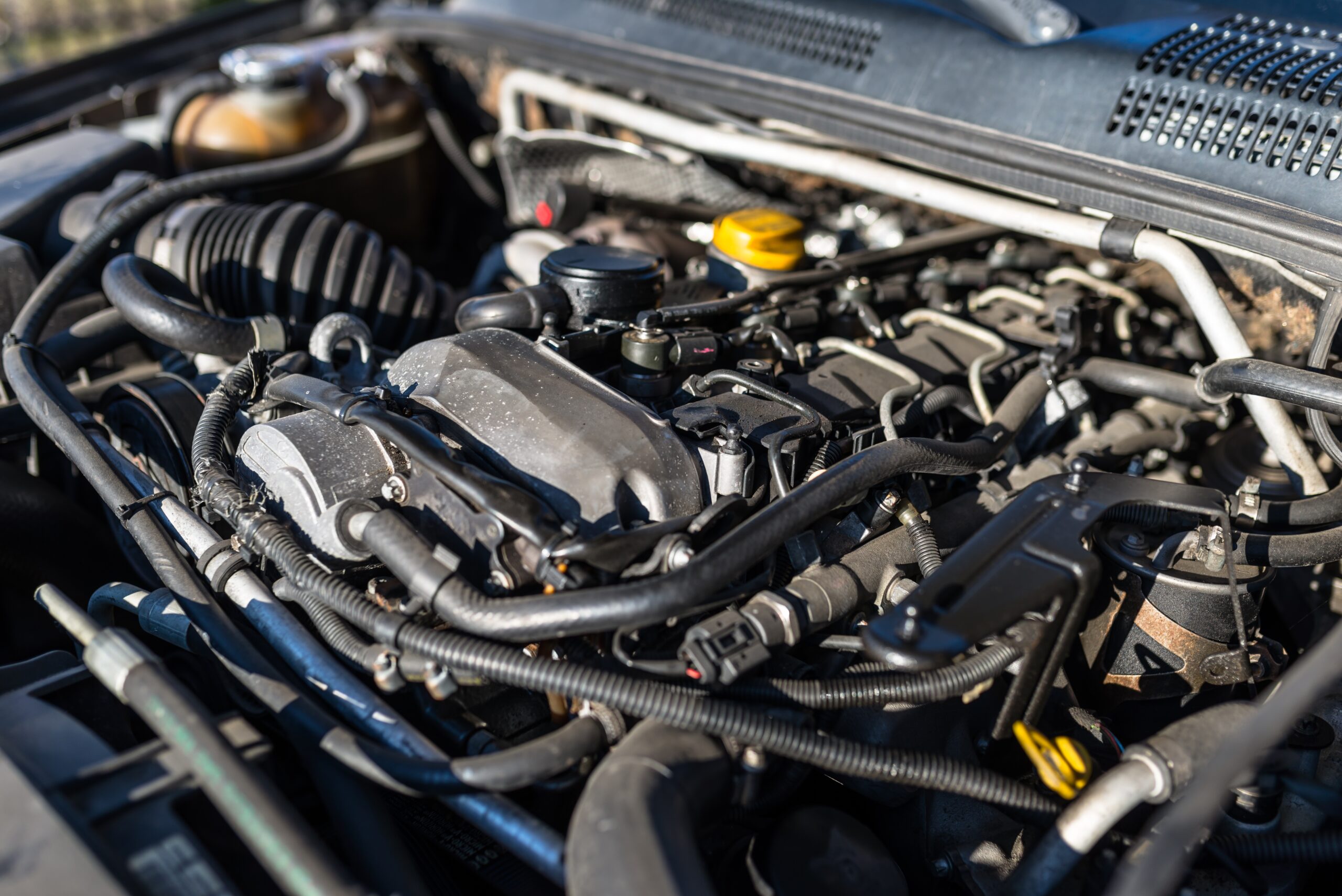
Let’s be real: nothing kills the joy of driving your BMW faster than that dreaded check engine light. Whether you’re cruising on the freeway or just leaving the grocery store, it can feel like a punch to the gut. Owning a BMW means performance and luxury, but it also means being ready for a few common engine headaches.
The good news? These problems are totally manageable if you know what to look for. Here’s what every BMW owner should be aware of when it comes to engine trouble and how to keep your ride in top shape.

1. Oil Leaks: The Most Common Culprit
BMW engines are notorious for oil leaks, especially in older models. The usual suspects?
- Valve Cover Gasket – This gasket seals the top of the engine but can get brittle and crack over time due to heat exposure.
- Oil Filter Housing Gasket – Another common point of failure, this gasket can leak and make a mess under your hood and your car.
If left unchecked, oil leaks don’t just stain your driveway. They can lead to low oil levels, increased engine wear, and even major internal damage.
What to do: Spotting a few drops of oil on the ground? Don’t wait. Get it checked out before a small leak becomes a huge repair bill.
2. Cooling System Failures: Overheating Is No Joke
BMW engines run hot, which means your cooling system has to work overtime to keep temperatures in check.
Common failure points include:
- Water Pumps – Known to fail, especially on models with electric pumps.
- Thermostats – If stuck closed, they can cause dangerous overheating.
- Radiators and hoses – Cracks, leaks, or blockages can throw the whole system off.
What to do: If you notice your temp gauge climbing, steam under the hood, or a coolant warning light, pull over. Driving an overheating engine can lead to a blown head gasket or warped cylinder head.
3. Timing Chain Issues: The Silent Engine Killer
BMW’s timing chains, especially on some 4-cylinder and 6-cylinder engines like the N20 and N26, are prone to stretching or premature wear.
What happens when it fails? The pistons and valves can crash into each other, destroying your engine from the inside.
Signs to watch for:
- Rattling noise on startup
- Check engine light
- Rough running
What to do: If your model is known for timing chain issues, get it inspected around 70,000 to 100,000 miles. Don’t wait for failure. It’s one of the most expensive problems to fix.
4. Fuel Pump Malfunction: Power Loss and Poor Acceleration
Your fuel pump keeps gas flowing to the engine. If it starts to fail, performance takes a nosedive.
Symptoms include:
- Sluggish acceleration
- Engine stalling or surging
- Misfires
In many BMWs, high-pressure fuel pump (HPFP) failures are common, especially in turbocharged models.
What to do: If you’re experiencing inconsistent power or misfires, have the fuel system checked as soon as possible. Don’t wait until the engine won’t start at all.
5. Ignition Coil Failure: The Misfire Menace
BMW engines rely on individual ignition coils for each cylinder. When one fails, you’ll know it.
Watch for:
- Rough idling
- Loss of power
- Flashing check engine light
One failing coil often leads to others going out soon after. It’s a domino effect.
What to do: Replace coils and spark plugs as a set to prevent ongoing issues.

6. Spark Plug Problems: Small Part, Big Impact
Worn-out spark plugs can cause:
- Misfires
- Poor fuel economy
- Hard starts
In turbocharged BMWs, spark plugs wear out faster due to higher combustion pressures.
What to do: Change your spark plugs every 30,000 to 50,000 miles, depending on your model. Ignoring them leads to stress on ignition coils and worse engine performance.
7. Overheating and Engine Failure: Worst-Case Scenario
All of the above problems, if left unchecked, can eventually lead to complete engine failure. Overheating, oil starvation, or timing issues can result in massive repair costs or even a full engine replacement.
What to do: Stay ahead of issues with regular maintenance and by listening to your car. Warning lights, odd noises, fluid leaks, or changes in performance should never be ignored.
Bonus Insights: Smart Maintenance Moves For Every BMW Owner
Electronic Gremlins That Mimic Engine Trouble
BMWs are full of electronics, and sometimes, a software glitch or sensor failure can look like engine trouble. A bad MAF sensor, O2 sensor, or even a weak battery can trigger a check engine light.
What to do: Always run a proper diagnostic scan before replacing parts. You might catch a simple fix before it becomes a money pit.
Know Your BMW Engine Code
Not all BMW engines are created equal. An N52 has very different quirks compared to an N20 or B58.
What to do: Look up your engine code, usually under the hood or in your manual, and research its known issues. That knowledge helps you spot problems early and plan smarter maintenance.
Watch Out for Aftermarket Mods
Mods like tunes, upgraded turbos, or air intake kits can put serious stress on your engine components if not done right.
What to do: If you’re buying a used BMW, ask about modifications. Poorly tuned upgrades can shorten the life of your fuel system, turbo, or timing chain.
The Maintenance Schedule Most Owners Ignore
BMW’s “lifetime fluids” claim sounds great, but it’s misleading.
What to do: Follow real-world intervals instead. Change the coolant around 50,000 miles and transmission fluid every 60,000 to 70,000. It’s a small cost now that can prevent big problems later.
Warning Signs You Should Never Ignore
Some red flags don’t trigger warning lights. Pay attention to things like:
- A sweet smell from the vents (coolant leak)
- Smoke from the exhaust (burning oil or fuel)
- Slight hesitation when accelerating (coil or plug issues)
What to do: Don’t ignore these little quirks. They’re often the first signs of something much bigger.
Stay Ahead of Engine Trouble. Contact Rick & Ray’s Today!
BMWs are built to perform, but they’re not bulletproof. The best way to keep your engine healthy is through proactive maintenance and early detection. Address problems while they’re still manageable, not after they’ve wrecked your engine.
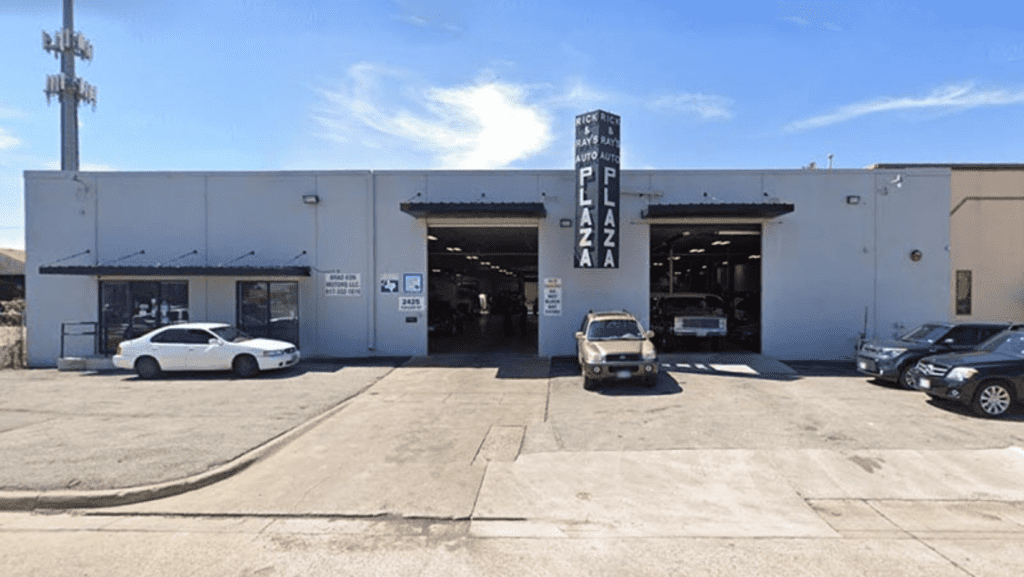
Need expert help? At Rick & Ray’s Auto Plaza in Fort Worth, we specialize in diagnosing and repairing BMW engine issues. From oil leaks to timing chain replacements, we’ve got your back. Don’t wait for a total breakdown. Schedule your service today and keep your BMW driving like it should.